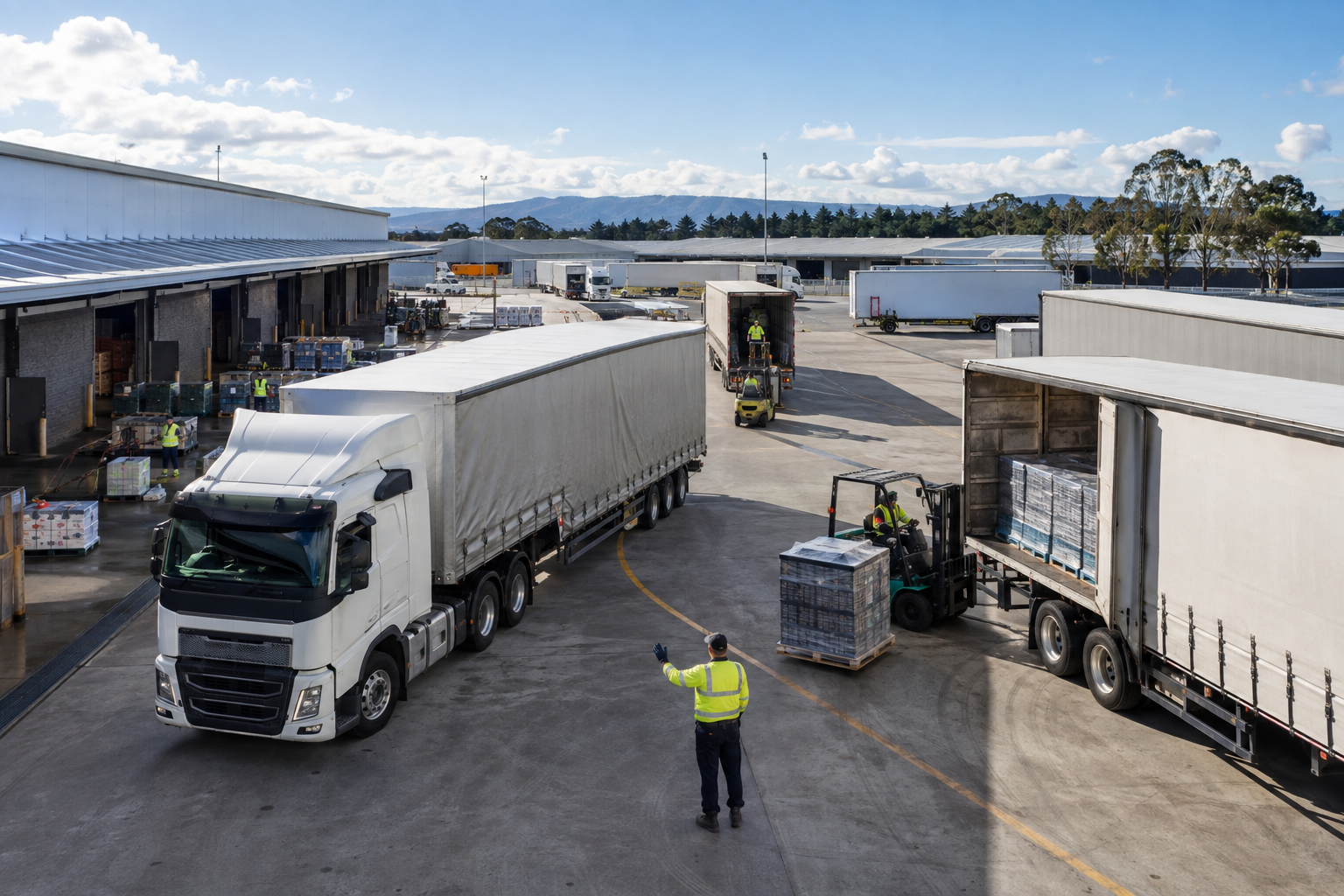
Turn route planning into a clearer day
A practical way to connect bookings, vehicle capacity, driver skills and the road ahead before the first cab leaves the yard.
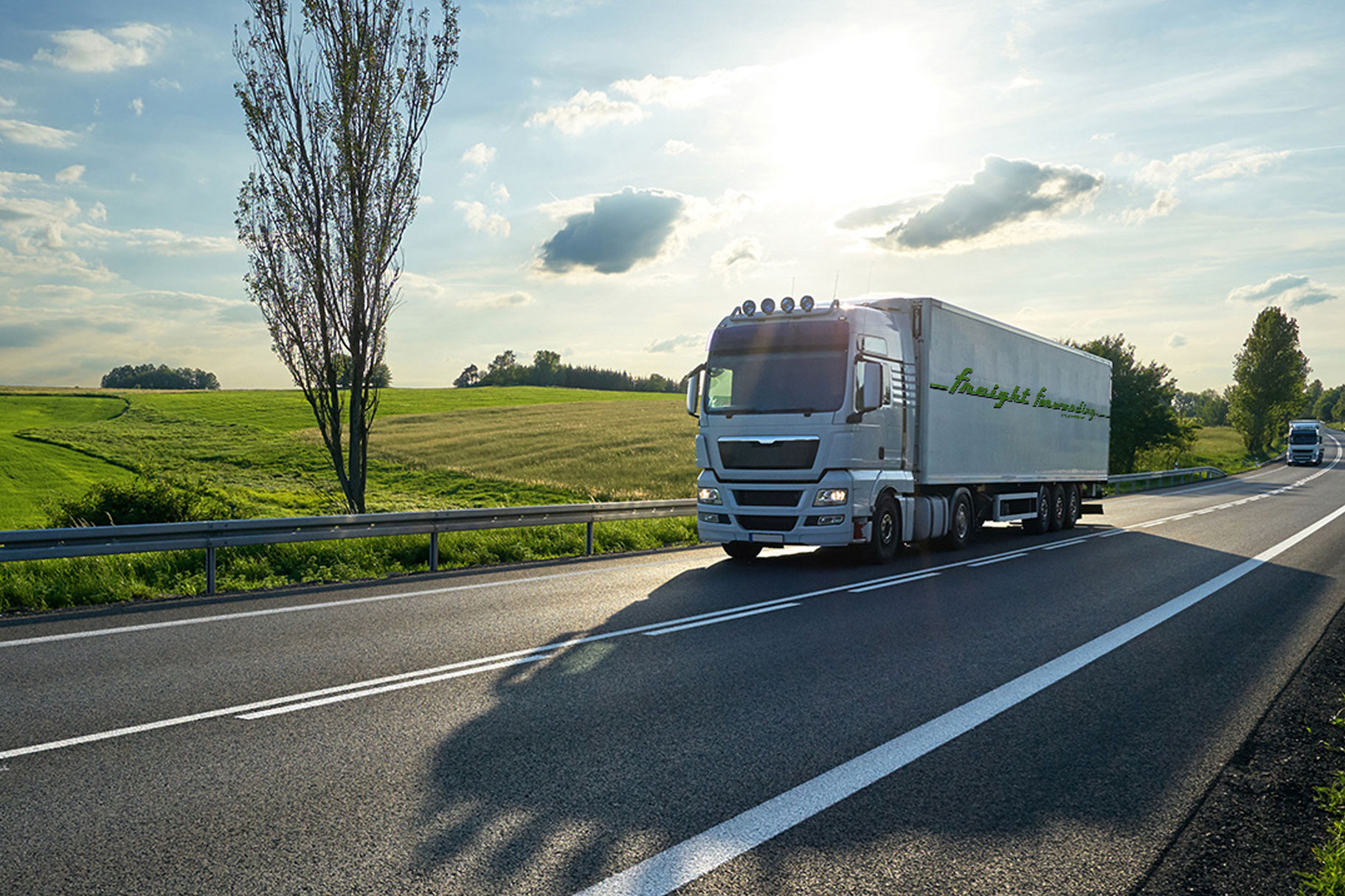
Start with the work, not the map
A route is only useful when it reflects the jobs that actually need to happen. Start by putting bookings, time windows, delivery requirements and site constraints in one operational view. That gives the dispatcher a real set of choices instead of a list of disconnected stops.
From there, build runs around the people and vehicles available today. A driver with the right licence, induction or equipment experience is part of the route plan—not a detail to discover after dispatch.
Make exceptions visible early
The best plan is not the one that looks perfect at 7am. It is the one that makes the first change easy when a customer moves a booking, a vehicle becomes unavailable or a road adds an hour to the day.
Give the team a shared status for planned, active, delayed and complete work. That small vocabulary is enough to replace a surprising amount of phone chasing.
- Show the next job clearly to every driver
- Balance workload before runs are published
- Keep time windows and vehicle constraints together
- Record the reason when a plan changes
Measure a smoother handover
Look beyond kilometres saved. Track late departures, unplanned rework, dispatcher interruptions and the time it takes to re-plan a run. Those are the signals that show whether route planning is helping experienced people make better decisions.
When the office and the cab see the same next action, the operation gains pace without asking people to work harder.
Explore TrackIt