
The empty-kilometre playbook
Measure deadhead honestly, chain compatible loads and turn spare capacity into a daily dispatch decision instead of a monthly surprise.
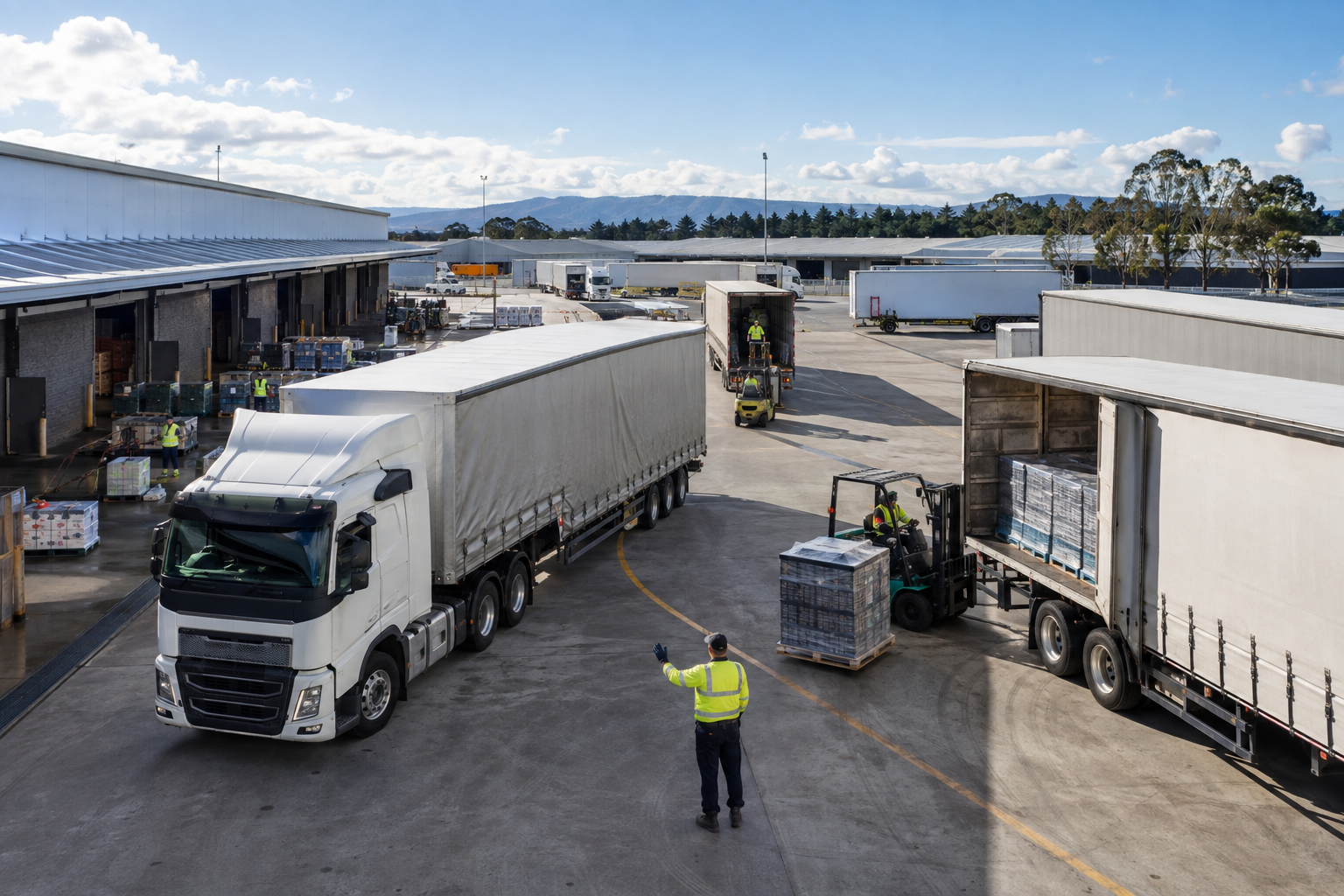
Make every kilometre accountable
Start with a definition the whole operation can use. Loaded kilometres move revenue freight. Empty kilometres move a vehicle between revenue jobs, back to base or towards the next opportunity. Both may be necessary, but they should never be invisible.
Link telematics movement to dispatch status and the assigned load. Report loaded, empty and non-revenue kilometres by truck, route, customer and project so the team can see where deadhead is structural and where it is avoidable.
- Agree when a vehicle changes from loaded to empty
- Measure empty distance and empty time
- Separate planned repositioning from unplanned deadhead
- Track the trend alongside revenue per kilometre
Chain loads before the first departure
A good outbound load is only half a plan. Route chaining looks at what the vehicle can collect or deliver next, considering time windows, equipment, capacity, driver hours and depot commitments. The aim is not to create a perfect theoretical route; it is to give dispatchers better choices while there is still time to act.
Sequence compatible work so the end of one load becomes the practical start of the next. When plans change, surface the highest-impact gap first and show the dispatcher which nearby loads could recover it.
Run a daily deadhead rhythm
Review tomorrow’s unpaired legs before the schedule is released, then monitor empty movement during the day. Loads per truck per day adds a useful capacity signal, while an exception list keeps attention on vehicles travelling empty farther or longer than expected.
Finish with a short weekly review of the lanes, customers and operating rules creating repeated deadhead. That turns empty-kilometre reduction into an operating habit rather than a one-off optimisation project.
- Pair inbound and outbound opportunities
- Compare planned and actual empty kilometres
- Track loads per truck per day
- Assign an owner to recurring network gaps
Explore TrackIt