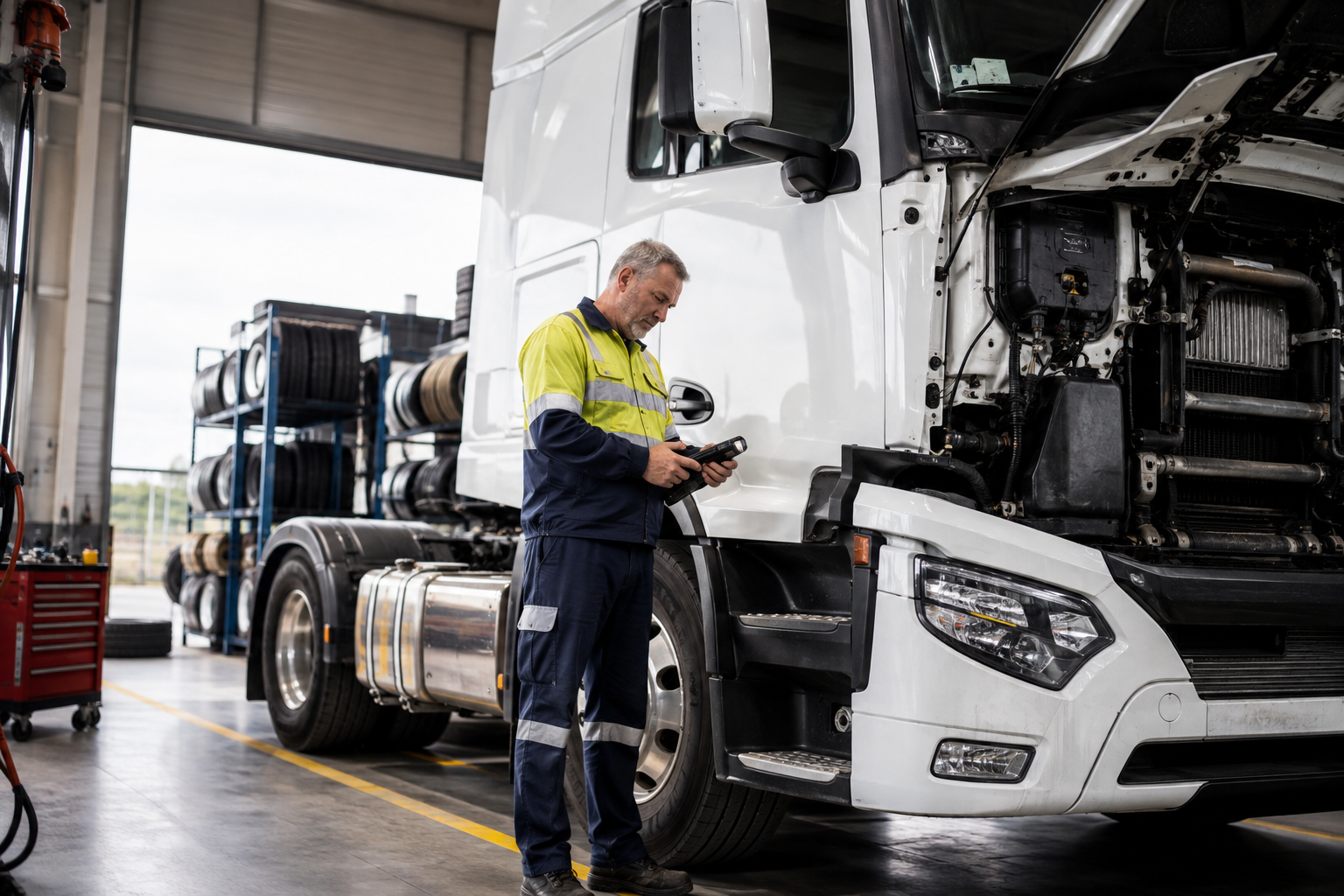
Set clear rules for after-hours vehicle tracking
Balance fleet security, safety and operational oversight with clear communication about when tracking is used and who can see it.
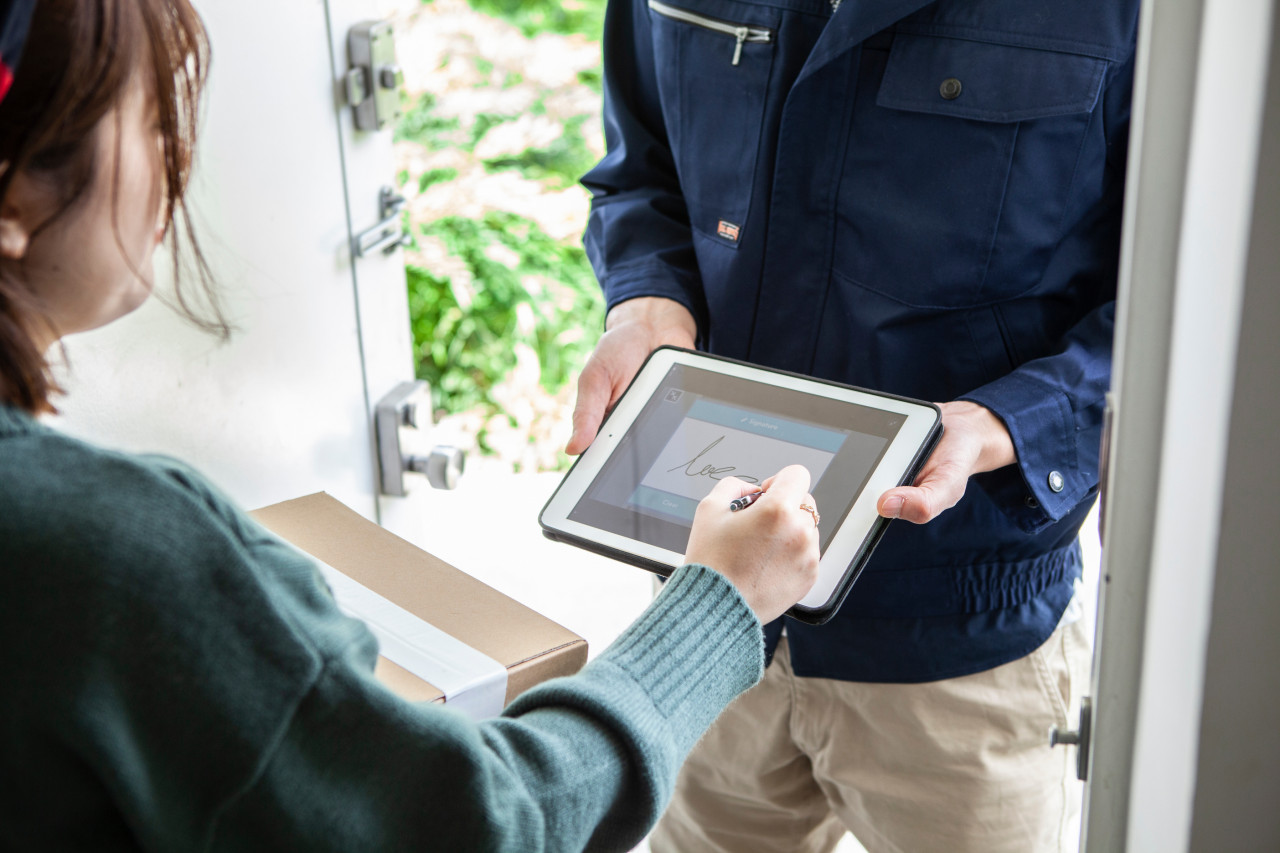
Define the purpose before enabling access
Write down why the organisation tracks each vehicle: dispatch, asset recovery, work verification, safety response or another specific operational need. Be clear about whether vehicles can be used privately and what monitoring applies outside work hours.
Choose access and reporting settings that fit those purposes. Limit detailed location history to people who need it for their role.
Tell staff what to expect
Explain what information is collected, when it is available, how long records are retained, who can access them and how employees can raise a question or correct an error.
Include tracking expectations in the vehicle-use policy and onboarding process. If work or private use changes, review the policy and communicate the change before applying it.
Review use and protect trust
Check periodically whether the original purpose still applies and whether access is limited appropriately. Investigate unusual events through a consistent process that gives relevant context and allows the employee to respond.
For New Zealand workplace monitoring, check current privacy and employment obligations and get appropriate advice for your circumstances.
Explore TrackIt