Reduce fleet fuel use with better operational habits
Combine fuel, distance, idle time, route and driver behaviour records to find practical savings without compromising service or safety.
Find the largest repeatable losses
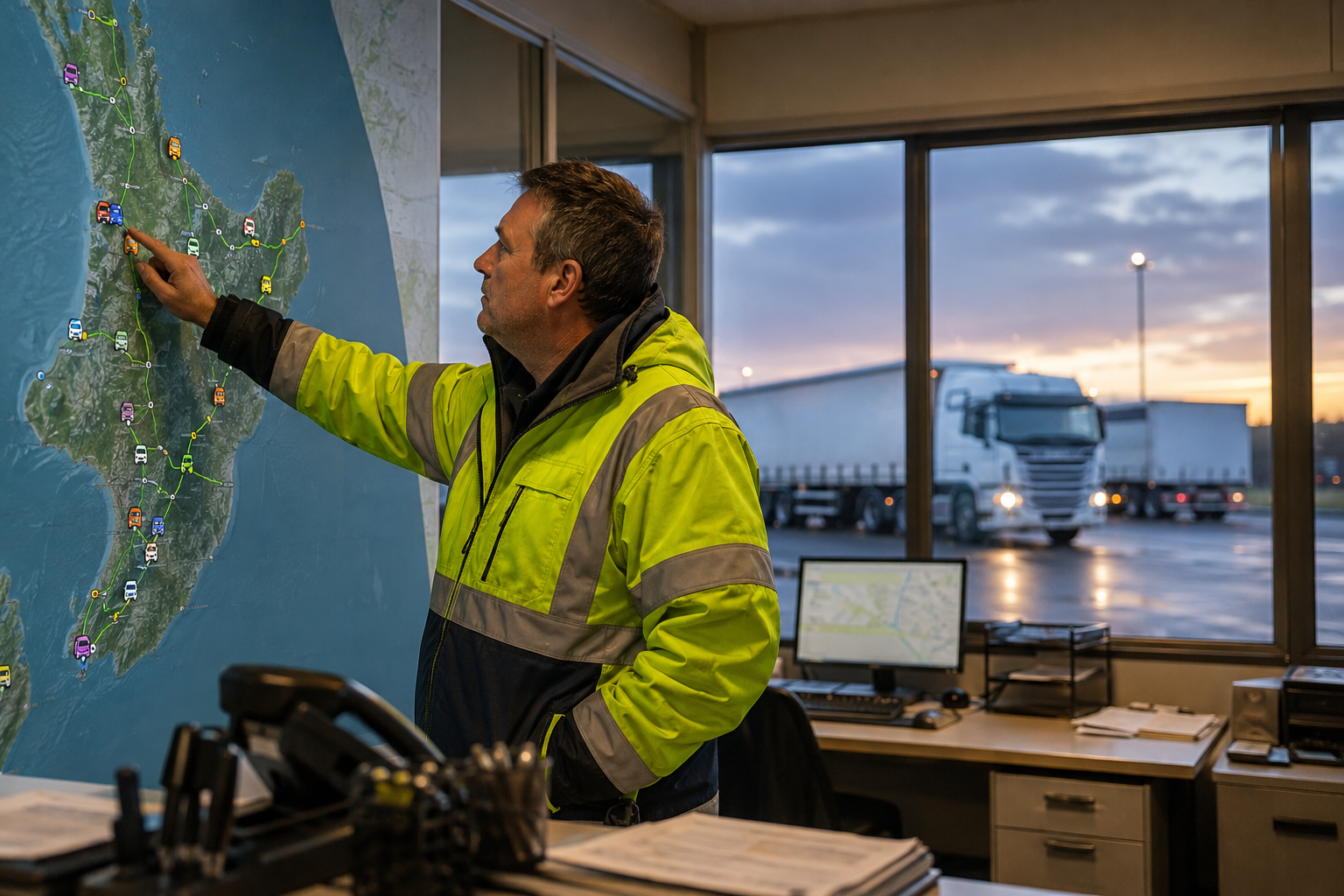
Start with a consistent baseline for fuel, kilometres, idle time and work completed. Compare vehicles doing similar work, and look for patterns across routes, depots, shifts and customer sites. Where fuel-card data is available, reconcile card transactions with vehicle, driver, time and location records to understand fleet fuel management and spot unusual purchases for review.
Long idle periods, unnecessary travel, repeated detours and poorly matched vehicles can all add cost. Fuel-card monitoring can surface possible misuse or fraud indicators, but treat an anomaly as a prompt to verify the transaction and context, not proof of wrongdoing.
Turn insights into practical changes
Agree on a small number of actions: review excessive idling, improve job sequence, coach a specific driving habit or match a vehicle more closely to its normal load. Route optimisation can reduce wasted distance when it respects time windows, load constraints and driver hours. Give each action an owner and a timeframe.
Measure fuel alongside on-time service, safety events and workload. A fuel target should not encourage unsafe driving or create missed customer commitments.
Keep progress visible
Review trends regularly and share the measures with drivers and managers. Recognise improvements, investigate unexpected changes and revisit the plan when routes, loads or fleet mix change.
Connected GPS tracking, telematics, driver behaviour reports and fuel-card management records make it easier to see whether changes are working and where the next opportunity sits. Keep comparisons fair by accounting for vehicle type, route, payload and operating conditions.
Explore TrackIt